When J and I were planning our trip to Bolivia and our mountaineering adventure I was very much in the dark about where to begin clothing/gear-wise. This was my first experience climbing mountains or at any real altitude and so I relied heavily on J’s experience and did some serious reading.
I found that the vast majority of information out there is focused on a male climber/reader. A lot of the knowledge is transferable but in going through the process I wished there had been some info for female adventurers looking to start out. The information I’m listing here is solely based on my experience, which is not vast, and but hopefully it can act as a jumping off point for you!
The mountains we were looking to climb despite being just over 6000m or 20,000 feet in altitude are known to be very cold and temperamental weather wise. Research your mountain/climate and know what kind of conditions you will be up against – wind, rain, snow and how they might change from the base to the summit.
I used a multi-layer system to keep warm and it worked really well. Our guide really stressed taking off layers before getting sweaty and this system allowed me the flexibility I needed to adjust to the changing environment and stay comfortable.
Clothing:
Base Layer: Merino wool long underwear – these come in different weights depending on how cold your environment will be. They also wick sweat and keep you warm if they get wet.
Mid Layer:
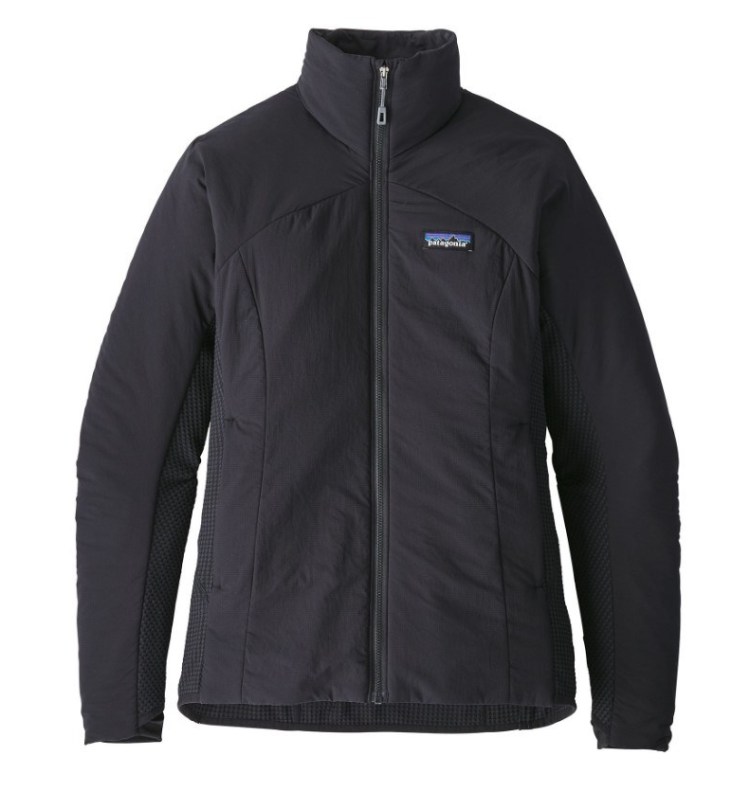
Patagonia Nano Air Jacket (this also comes as a hoody) – it has a light synthetic fill to keep you warm without adding weight.
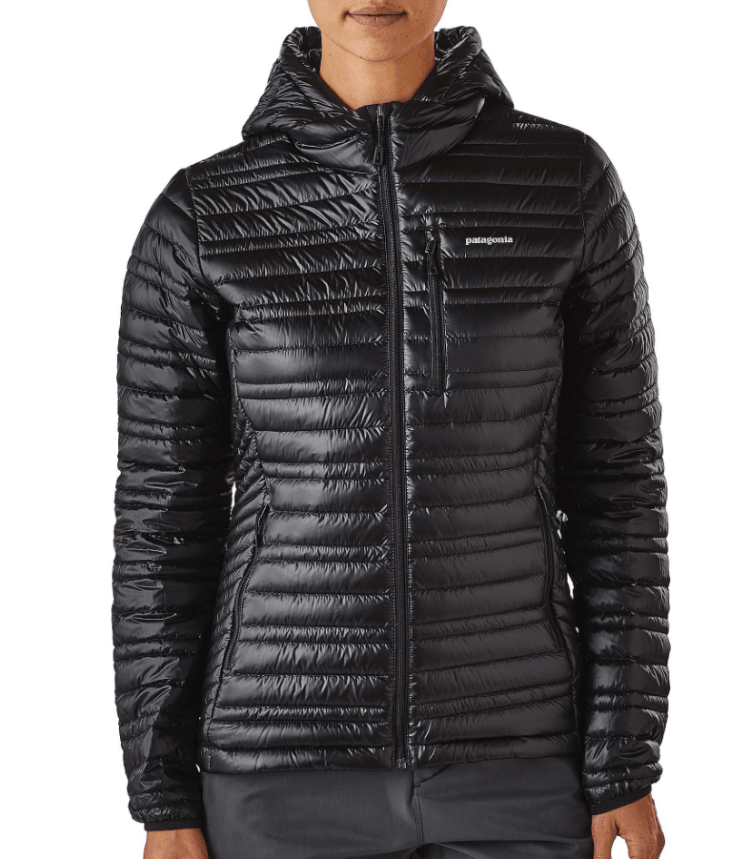
Patagonia Ultralight Down Hoody – this lightweight but warm jacket was great. Initially, I’ll admit I was skeptical that it would be warm enough but with the right layers this worked perfectly. It also was great for the rest of the trip. This jacket is also available without a hood but I found the hood to be a great addition and kept me even warmer.
Garneau Women’s Variant Pants – these are insulated softshell pants that worked well as a midlayer. Think ski/snowboard pants without the external waterproofing. This layer was a bit tricky to find, especially during the off season (ie: spring/summer) so online may be the way to go for insulated pants.
Outer Layer:
Arc’teryx Goretex Shell Jacket – this layer is key to keep the wind and rain/snow out. Its truly your protection against the harsh elements. Most outdoor companies make excellent goretex shells but I found the Arc’teryx had the best cut.
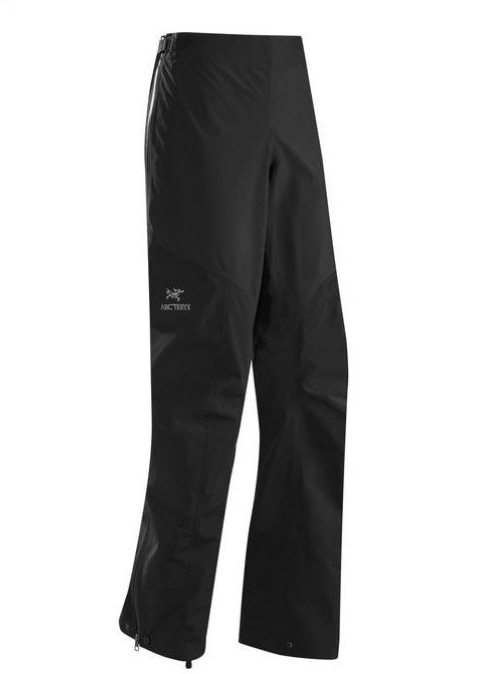
I also bought Arc’teryx Goretex Pants as well. When you’re looking at shell pants look for zips that go all the way up to the waist so that you can take them on and off without taking off your boots. The Alpha SL pants had an elastic and adjustable waist band which I loved since I could make them tighter if I had less layers on underneath.
Shoes:
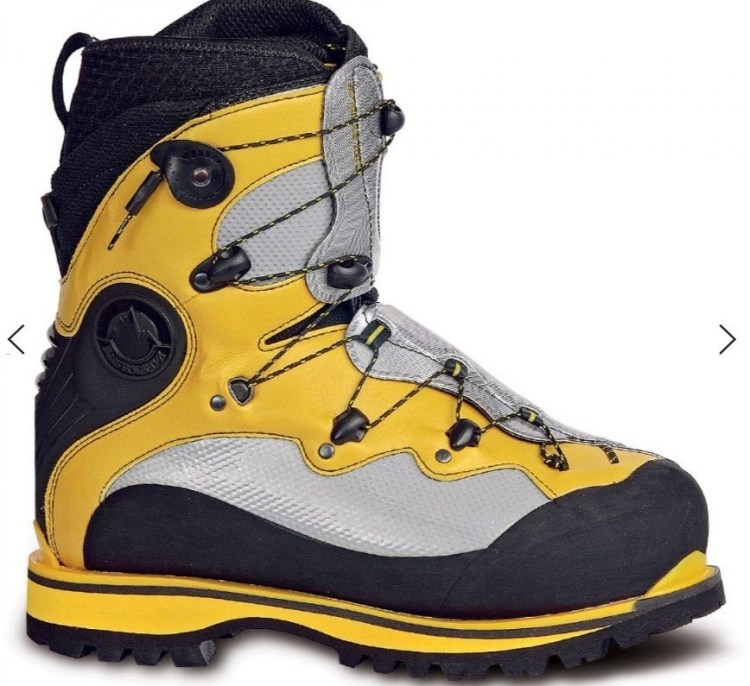
La Sportiva Spantix – these double boots are specially engineered for cold, high altitude climbs. They are loved by seasoned mountaineers for a reason because they keep your feet warm! These boots have rigid soles and keep your ankles totally locked in place. They use lacing system that you can, in theory, tighten with a single hand through a system of pulleys. J climbed in the La Sportiva Baruntses because he couldn’t find the Spantixs in a big enough size and they worked well for him too. The major difference between the two boots is that the Baruntse’s are a bit heavier than the Spantix and don’t use the single hand lacing system. There are tons of reviews about these boots that you can peruse before committing to this significant purchase.
Gloves:
I brought three pairs of gloves/mittens with me for a variety of conditions. The first pair is a pair of merino wool liners. I wore these at night in my sleeping bag, around the camp and they could be layered under a thicker pair of gloves/mittens if necessary.
The other two gloves/mittens were thicker and more resistant to the elements. The ones I picked were:
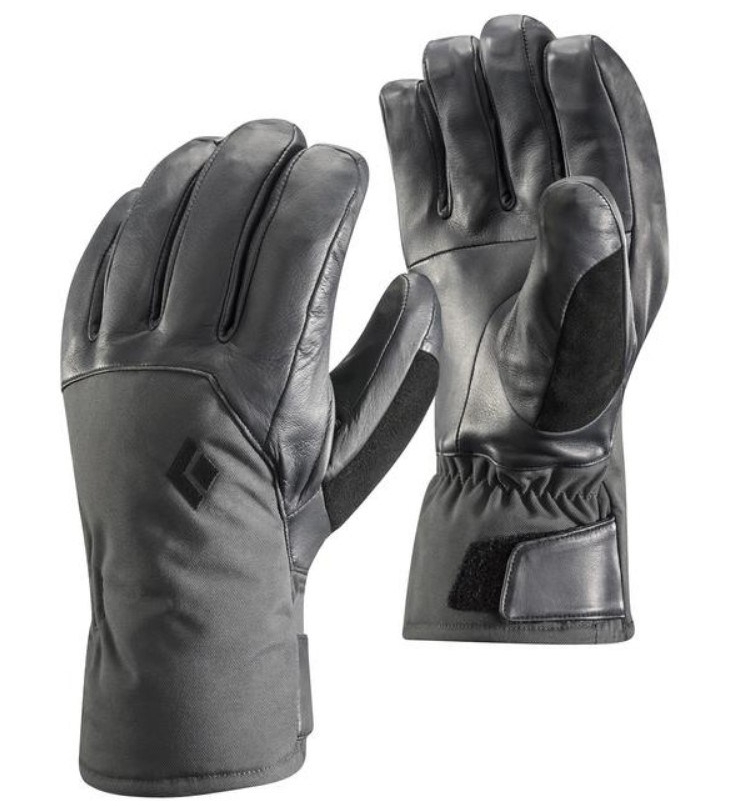
Black Diamond Women’s Legend Gloves – these have leather palms which provide good grip on your walking poles or for scrambling up rocky terrain. There is an awesome snot wipe on the thumbs, which as gross as it sounds, is useful on the mountain. These were warm and I never actually used my super heavy duty mittens.
Black Diamond Absolute Mitts – these are a double mitten with the inner liner featuring a “lobster claw” design. This design of isolating the index finger improves dexterity but you really can’t do much in these mittens. They are ridiculously thick and designed to keep your hands warm in the harshest of conditions.
Other:
Merino wool buff – this is great to pull up over your face to keep the wind and sun off while climbing.
Socks – I love merino wool ones. Pick the weight that works best with your boots.
Hat – consider if you need to be able to put on a helmet and whether your hat will fit comfortably underneath it.
Sports Bra – wear one that you can comfortably do everything in since you may not want to be changing your bra in the freezing cold.
Sunglasses:
I can’t overstate how important good eye protection is while climbing a mountain. When J and I were initially talking about sunglasses for the mountain I assumed they were like any sunglasses. Boy was I wrong! To keep your eyes safe and protect against sun blindness you need dark lenses. Look for something called “Category 4” lenses. There are only a few companies that make them but the best known brand is Julbo.
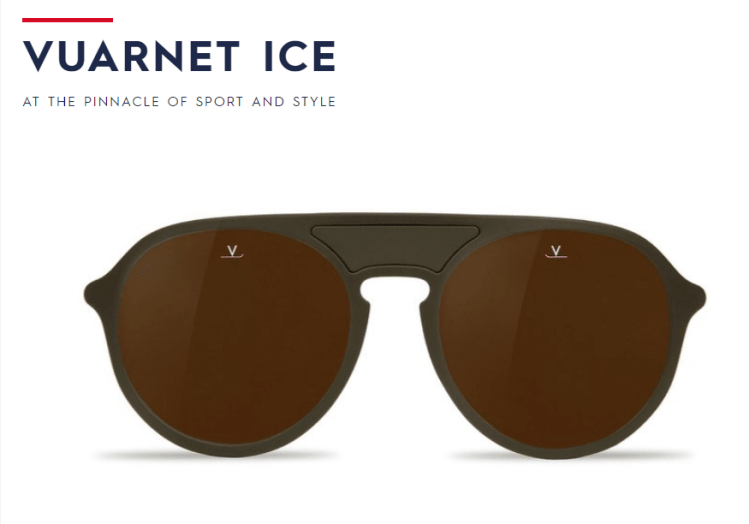
Vuarnet also makes some of their sunglasses with category 4 lenses. One of their pairs was featured in a James Bond movie as well! I chose these ones:
Whichever pair you decide to go with, make sure it has side shields for maximal protection.
Gear:
Water Bottle: Consider bringing an insulated water bottle/thermos to help prevent your water from freezing before you have the chance to drink it. Camelbacks tend not to work super well since the water freezes in the line.
Solar Charger: Depending on how long your climb/expedition is consider bringing along a solar charger to keep your electronics charged. Most have attachments that allow you to strap them on to the top of your pack so that you can be charging your camera/GPS during the day. Check to see if the charger has a built in battery or if you need a separate one.
Quick Dry Towel: I brought a small quick dry hand towel with me so that I could dry off after washing my face or hands without getting any of my other gear wet.
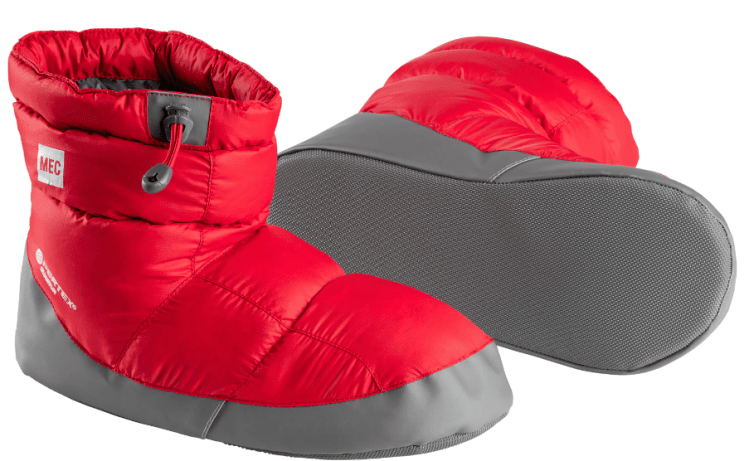
Down Booties: These were the best thing we brought with us. Taking your boots off and slipping our feet into these warm, down slippers was so nice at the end of the day. These specific ones from MEC have a light sole on them so you can walk short distances in them without having to put boots back on. We both slept in them as well and at no point were our feet cold.
This list is not all inclusive but hope it helps! For more information/reference this is a wonderful resource: http://www.alanarnette.com/climbing/gearlist.php
 Winging It
You must be logged in to post a comment.